Historic Listed Monuments

The Holy Well

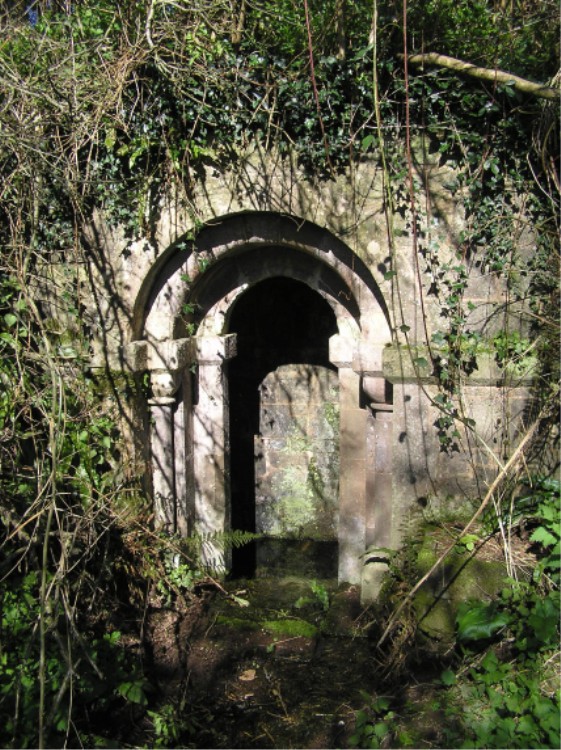
Among Broadclyst’s treasure trove of historical landmarks, the Holy Well is a less visible but deeply significant site. Veiled by the passage of time and nature, this sacred spring holds an intriguing blend of religious tradition, folklore, and local history that takes us back to an age of deep spiritual reverence tied to the natural world.

The Holy Well, like many such wells across the UK, is believed to date back to pre-Christian times when such springs were often considered sacred and attributed with healing properties. With the advent of Christianity, many of these wells were Christianised, their significance carried forward and even enhanced, often associated with local saints and miracles. In Broadclyst, though the exact history of the Holy Well is somewhat shrouded in mystery, it likely served as a place of pilgrimage and ritual, providing physical and spiritual sustenance to the local population.

Tomb Chest

Buried within Broadclyst’s rich history lies the intriguing story of the Tomb Chest, an artefact that offers a silent but profound narrative of lives once lived. Located within St. John the Baptist Church, this tomb chest serves as a reminder of Broadclyst’s past, commemorating notable individuals who played a part in shaping the village’s history.

The Tomb Chest, often also known as an altar tomb, is a type of grave typically used to inter and commemorate prominent or noble individuals. They were particularly popular from the 14th to the 16th century and often feature effigies of the deceased, armorial bearings, and other decorative elements carved into the stone. In Broadclyst’s St. John the Baptist Church, the tomb chest serves not only as a memorial but also as a historic artefact, providing insights into the local history, societal structures, and artistic styles of the period.

Churchyard Cross

Among Broadclyst’s myriad historical treasures, the Churchyard Cross stands as an enduring testament to the village’s rich religious heritage and historical narrative. Located within the grounds of the St John the Baptist Church, this ancient cross is a significant local landmark, linking the present to a past steeped in spiritual tradition and community history.

Churchyard crosses are a common feature in English parishes and traditionally served multiple roles. Besides being a symbol of Christian faith, these crosses were used as focal points for preaching, prayer, and processions. The Churchyard Cross in Broadclyst, believed to date back to the medieval period, would have witnessed countless local events and been a central part of community life. Despite suffering the ravages of time, the cross remains standing, a silent sentinel bearing witness to the passage of centuries.

Village stocks

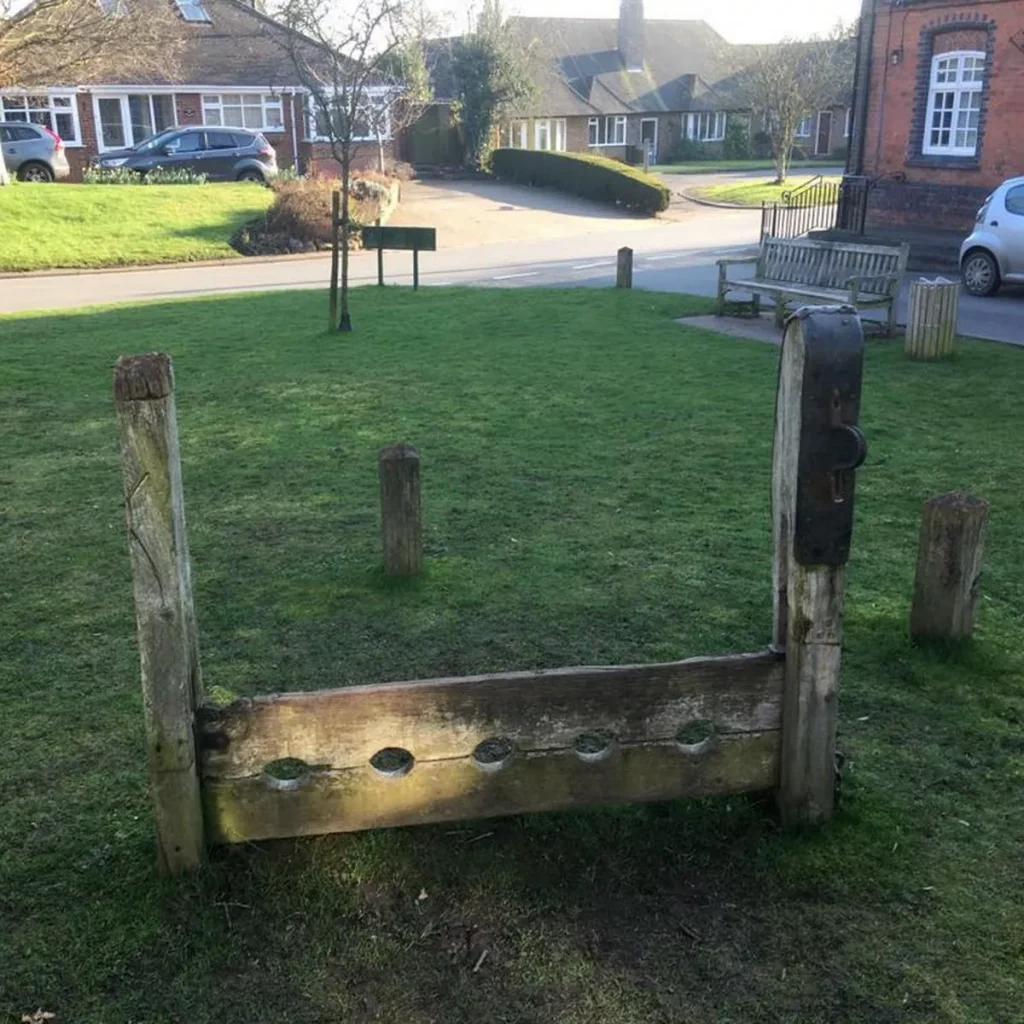
Village stocks are a form of punishment that was commonly used in England and other parts of Europe during the medieval period through to the 18th century. They typically consist of a wooden structure with holes into which the ankles (or sometimes the wrists) of offenders were locked so they could be subjected to public humiliation and discomfort.

In Broadclyst, the village stocks are a historical relic, a reminder of how justice was dispensed in times past. As of my last training cut-off in September 2021, the original Broadclyst stocks are believed to be housed at St John the Baptist Church. This historical artifact provides a tangible link to the past, serving as a reminder of a different era in Broadclyst’s history.

Village Pump

The Village Pump, a charming cast-iron structure adorned with decorative elements, stands as a symbol of Broadclyst’s history. During the late 19th and early 20th centuries, before the widespread availability of piped water supply, such pumps were essential for villagers to collect their daily water needs. They also often served as social hubs, where villagers would meet and exchange news. Located in the center of the village, Broadclyst’s pump has been meticulously preserved, offering a tangible link to the past and an understanding of the daily life of previous generations. Its continued presence in the heart of Broadclyst is a tribute to the village’s commitment to preserving its history.

Today, the Village Pump stands as a reminder of Broadclyst’s past and the evolution of its amenities. While no longer in use, it adds to the charm of the village and provides an educational touchpoint for understanding local history. At the Broadclyst History Society, we recognize the historic significance of such everyday structures, each narrating a unique aspect of our shared past.

Learn more about Broadclyst's rich history

This website is your gateway into our shared past, a platform to celebrate our heritage, and a space to learn and engage with our community. Whether you’re a seasoned history enthusiast, a curious local resident, or a visitor wanting to know more about Broadclyst’s history, we welcome you with open arms.